
Talluto Solution Center
Illinois
2026
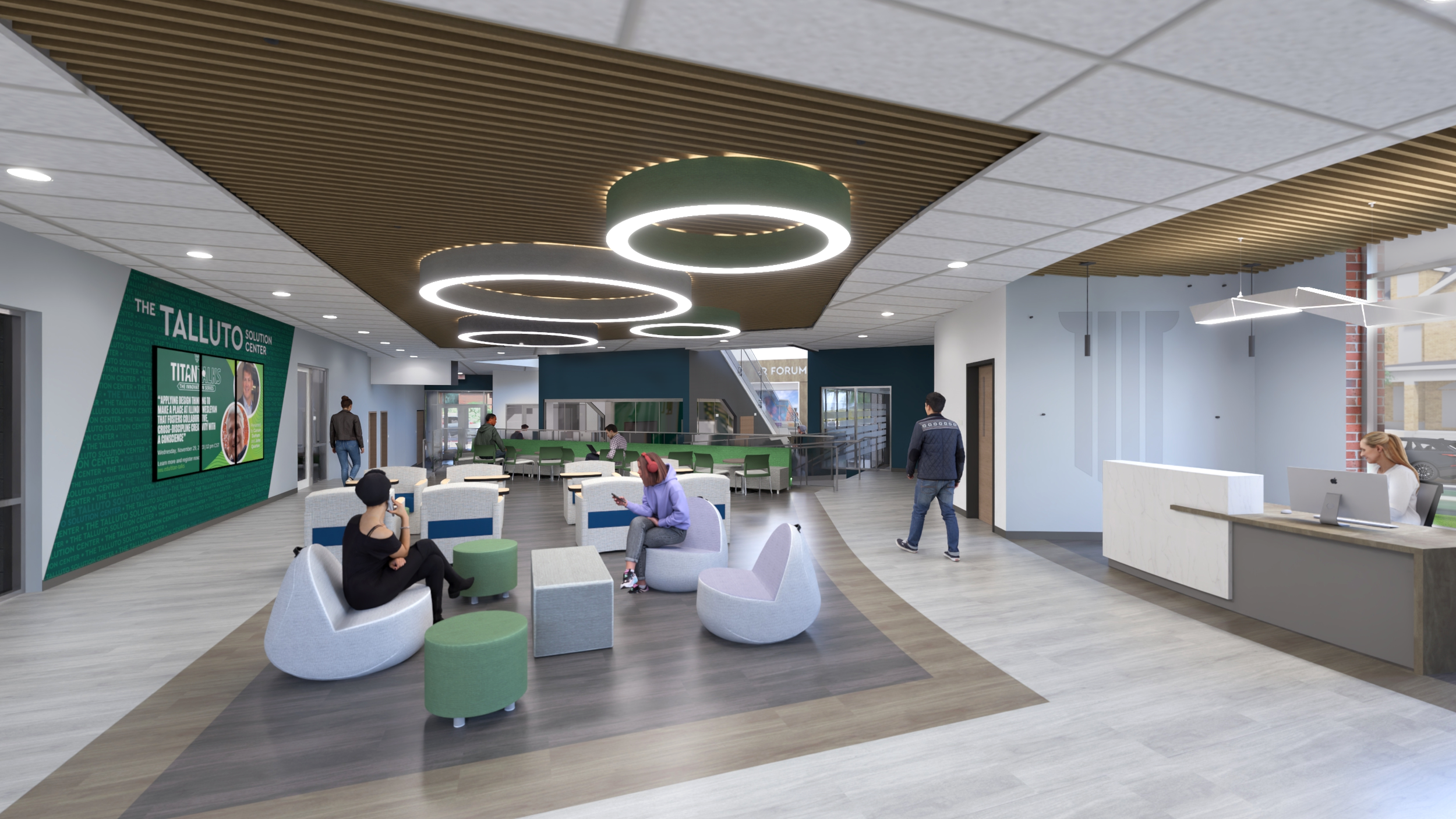
The Talluto Center is a 15,400-square-foot addition to Illinois Wesleyan’s School of Art—a space designed to ignite collaboration between art, design, and entrepreneurship.
Located beside the historic Ames School of Art, the building shares a unified entry plaza and connects visually and functionally to the campus quad through strategic site design, wayfinding, and landscape integration.
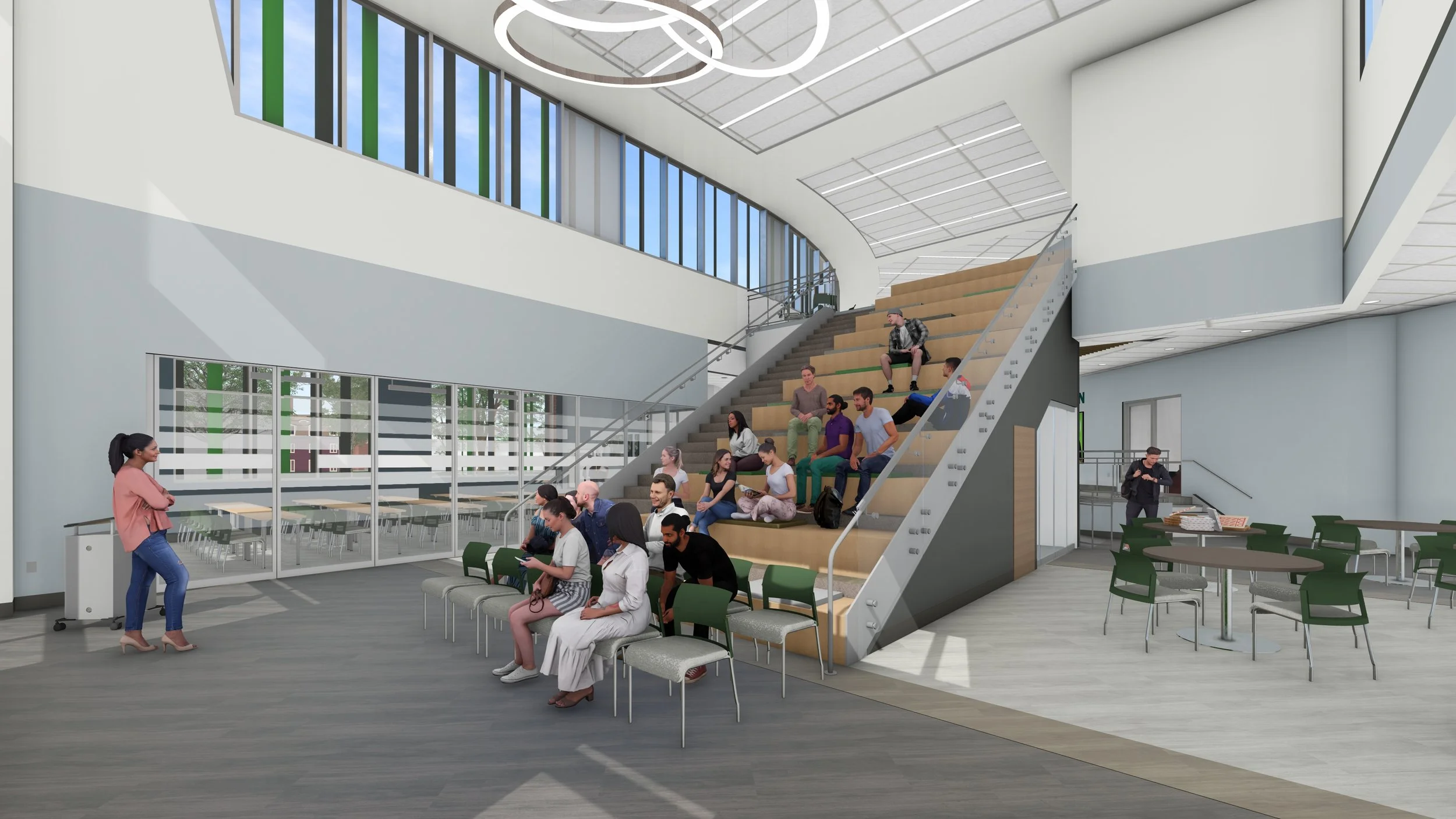
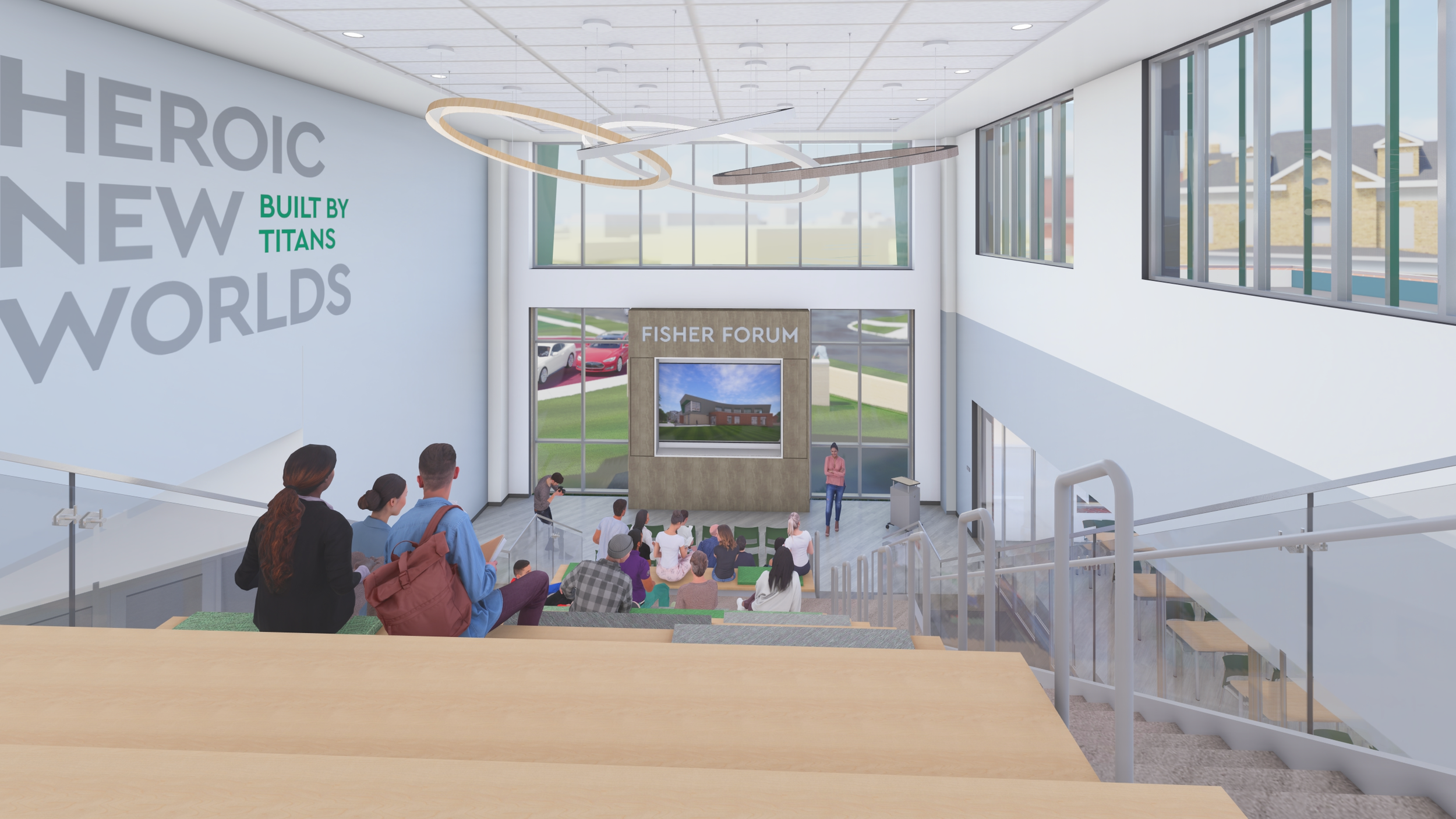
At the heart of the first floor is the Forum, a flexible gathering space with a learning stair that supports performances, presentations, and startup pitches. Surrounding it are open collaboration zones, maker spaces, and renovated art studios that give students the tools to build and explore. Upstairs, new and expanded classrooms, a lookout mezzanine, and updated lecture hall create a hub for cross-disciplinary learning. Updates to the existing lecture hall bring it into conversation with the building’s entrepreneurial spirit—creating a hub where design, business, art, and technology converge.
The Talluto Solution Center is more than an academic building—it’s a launchpad for big ideas, a place where creativity takes form, and a living example of what happens when art and innovation meet with purpose.
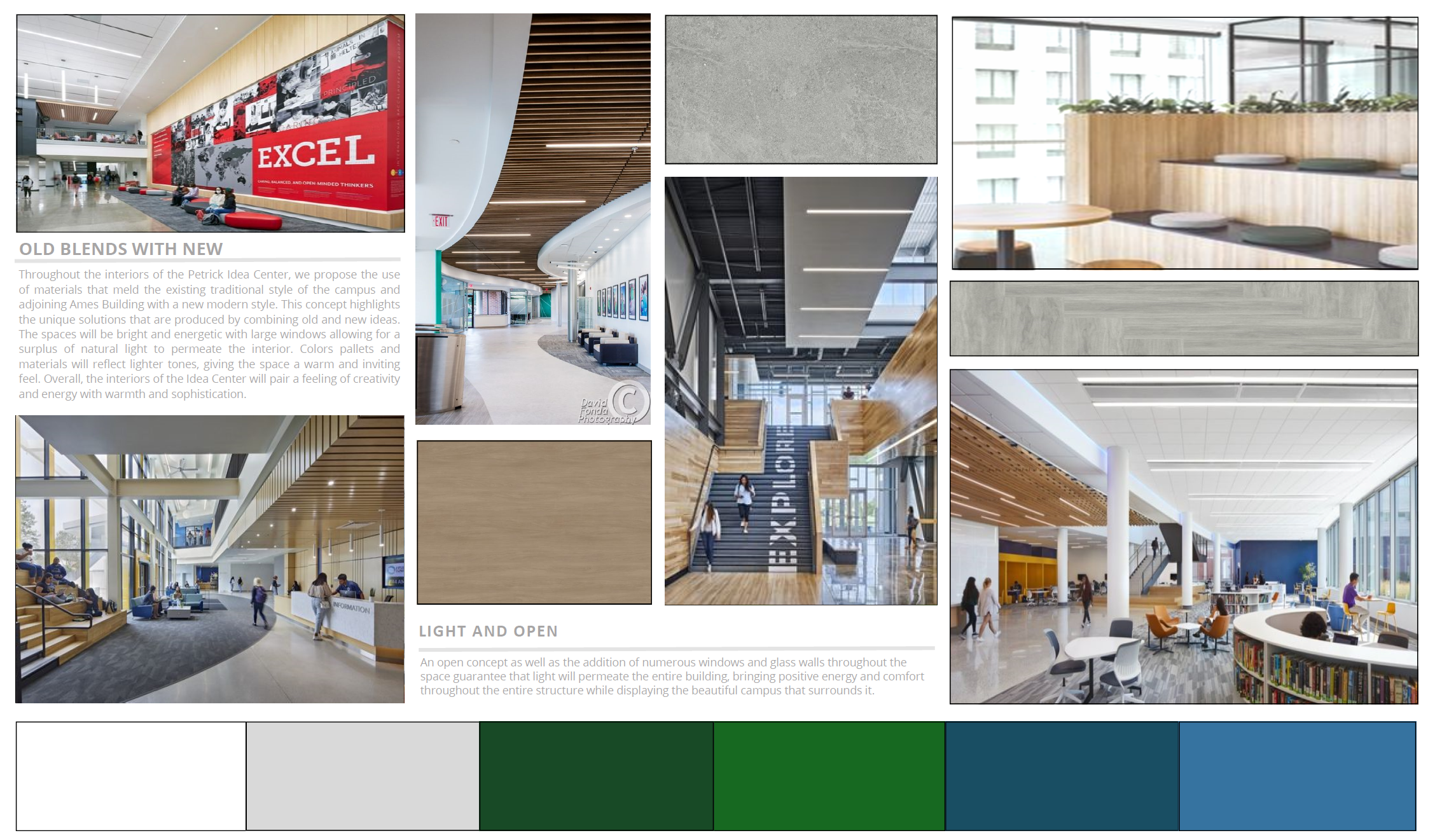
Mood Board &
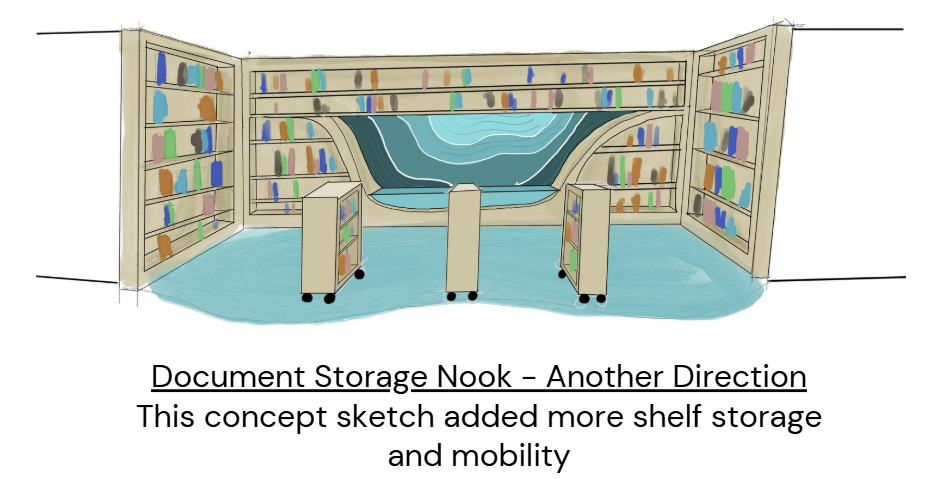
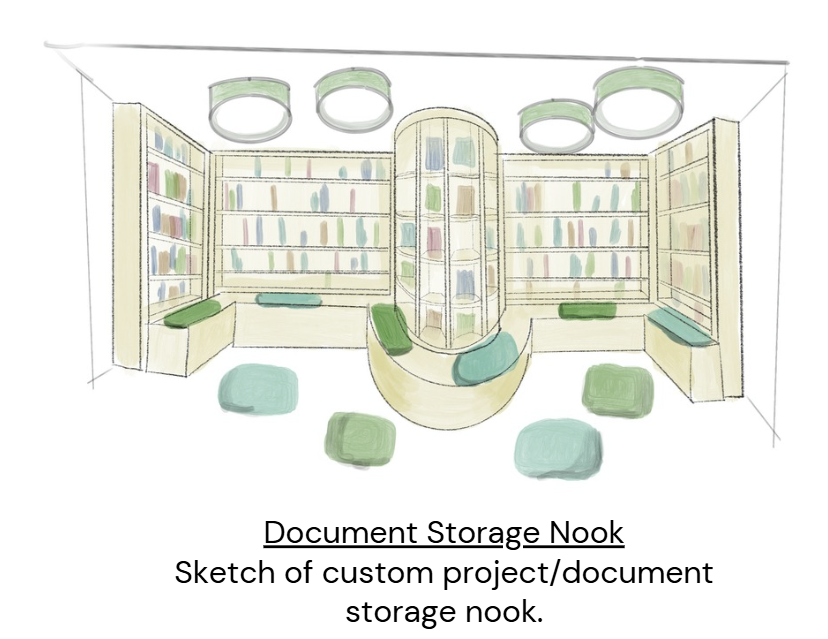
Concept Sketches
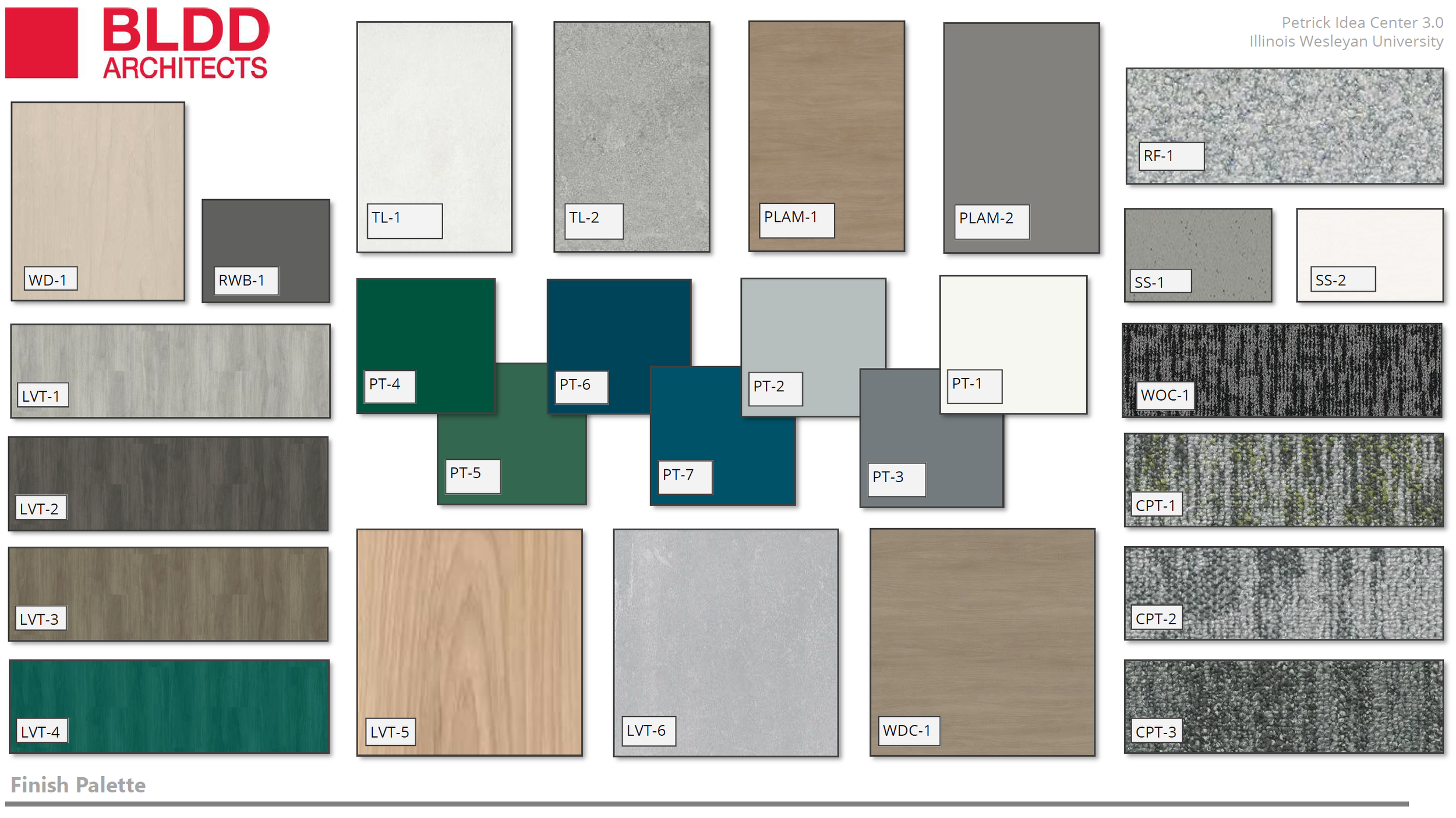
Finish Selections
Materials were carefully selected to create a thoughtful dialogue between old and new—honoring the historic character of the adjacent art building and surrounding campus, while establishing a distinct identity for the Petrick Idea Center. Warm, grounded textures connect the addition to its academic roots, while clean, modern finishes introduce a fresh energy aligned with innovation and forward-thinking. The result is a balanced palette that bridges tradition and transformation.
Renderings
-
![]()
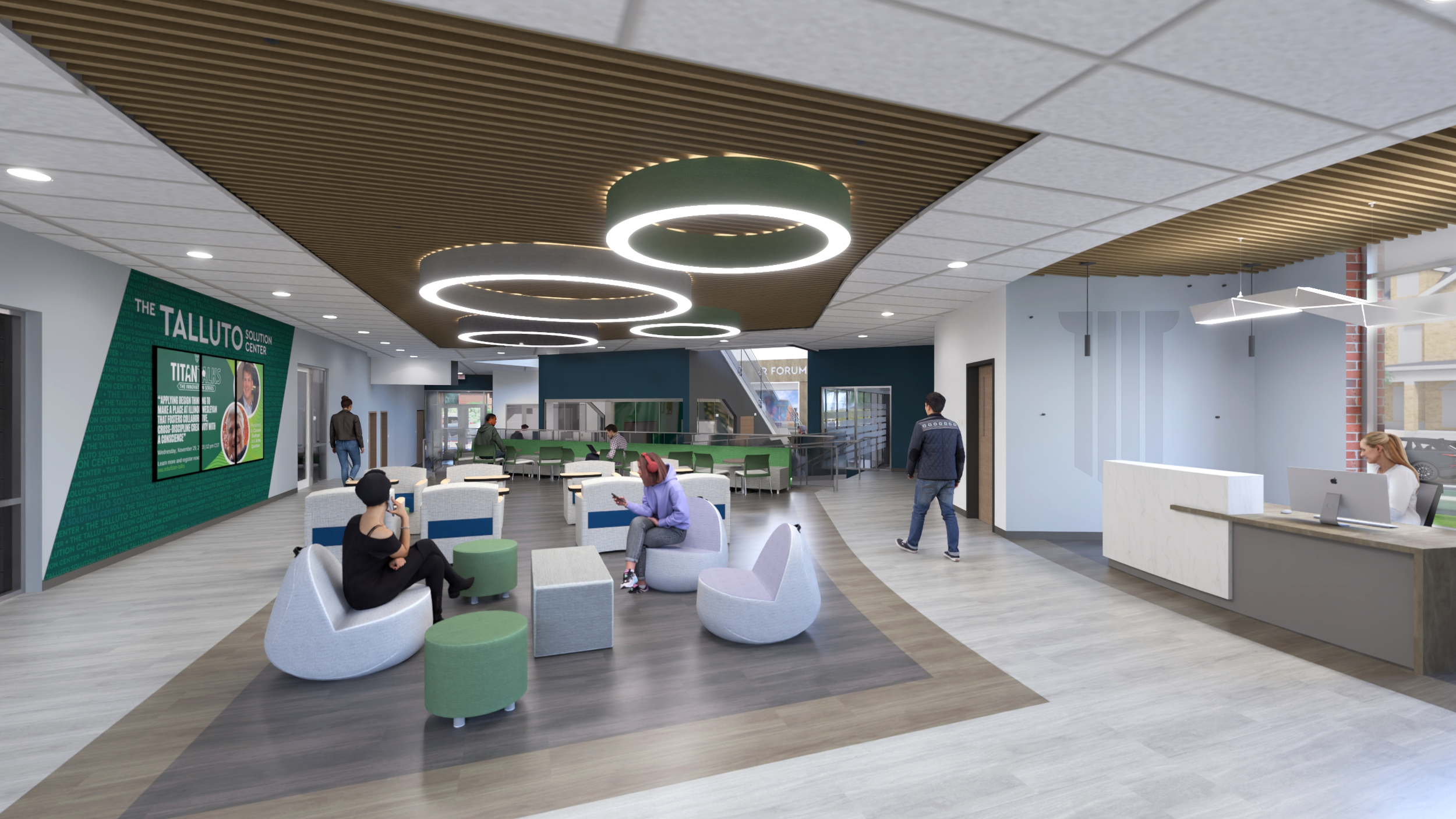
Lounge
-
![]()
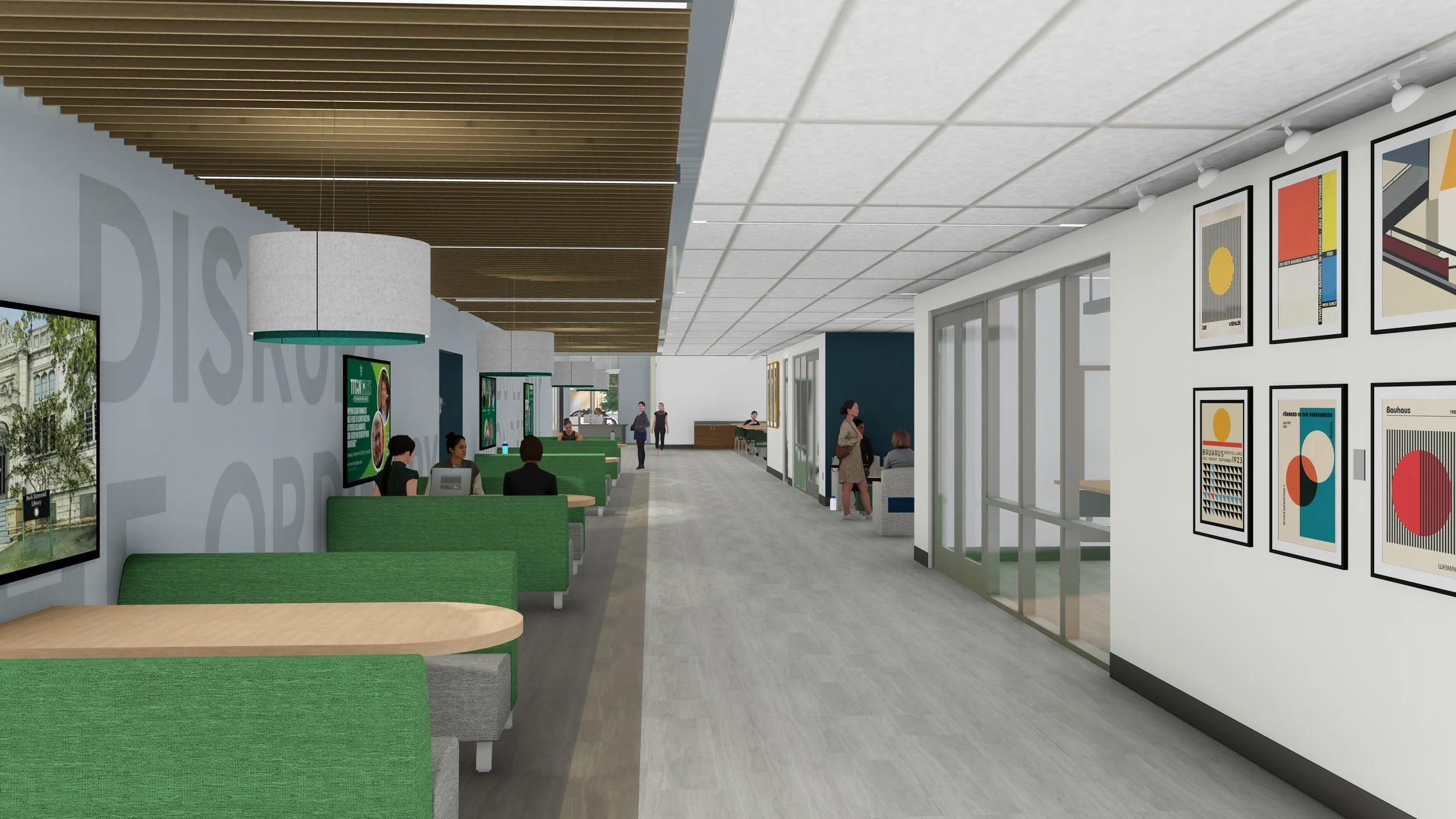
Connection Corridor
-
![]()
Forum
-
![]()
Prototype Central
-
![]()
Forum

Lessons Learned
One of the most valuable lessons from this project was navigating the complexities of renovating and expanding within an established historic context. Bridging the gap between the character of the existing art building and the bold identity of the new Idea Center required a careful balance—honoring the past while designing for the future.
The process reinforced the importance of flexibility, detailed coordination, and sensitivity to context when creating spaces that must both preserve legacy and inspire new ways of thinking.