
Pana Elementary
Illinois
2023
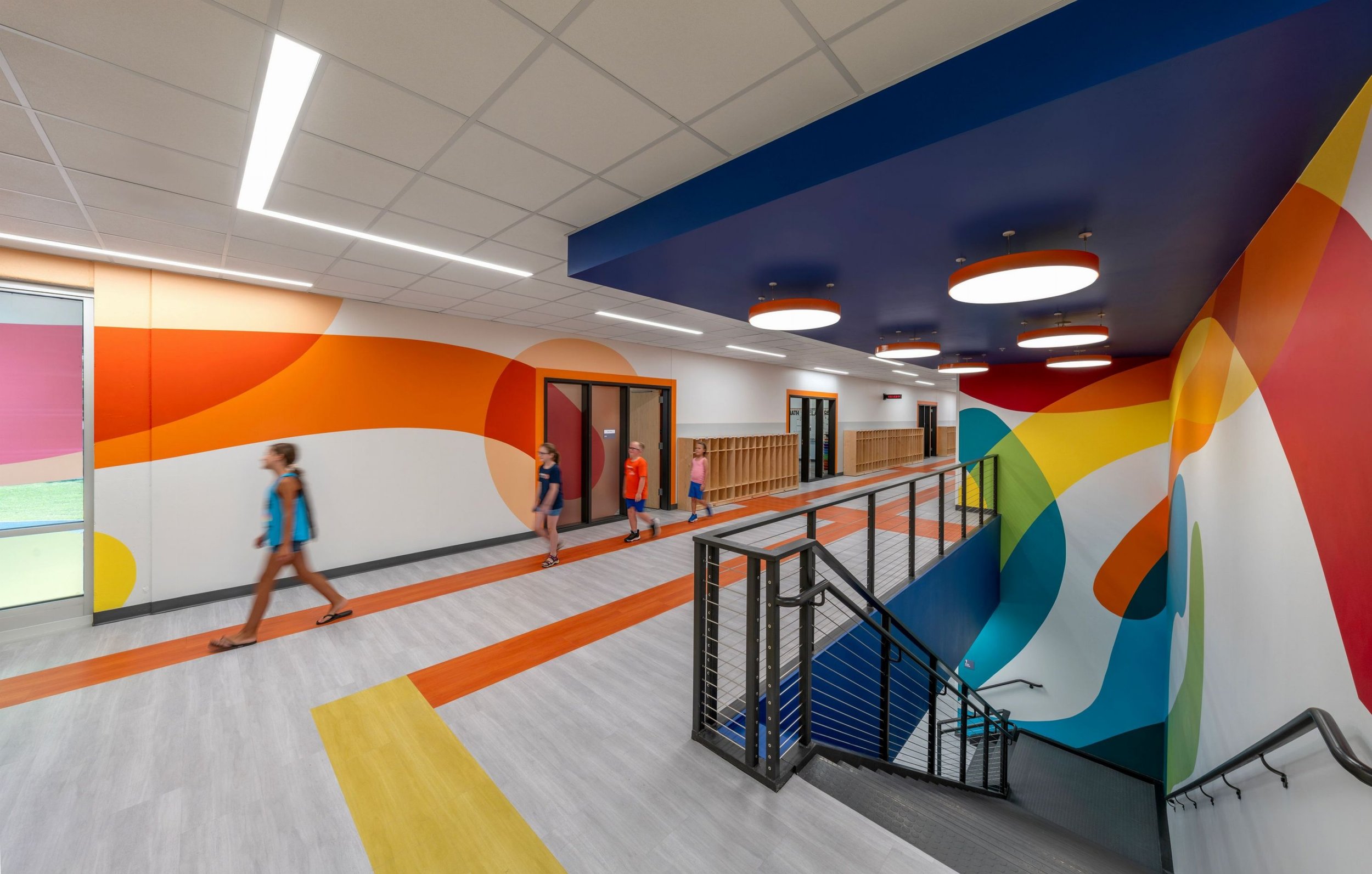
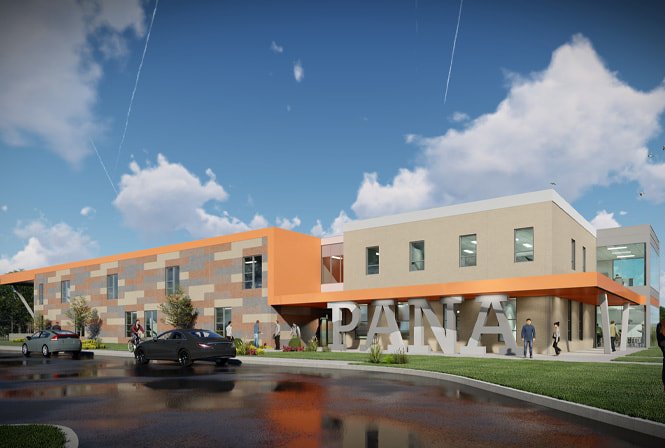
Pana Elementary is more than a new school—it’s the beginning of a brighter story for young learners in rural Illinois. Replacing two outdated buildings, this unified PK–5 campus is thoughtfully designed to support imagination, collaboration, and growth. With 65,000 square feet of purpose-driven space, it brings the district 15–20% more efficiency—and endless possibilities.
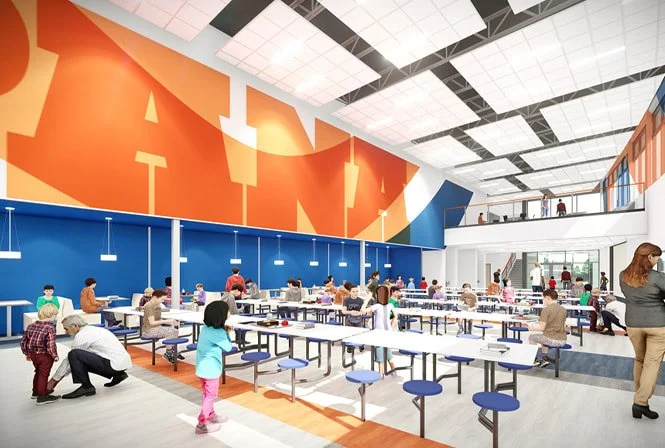
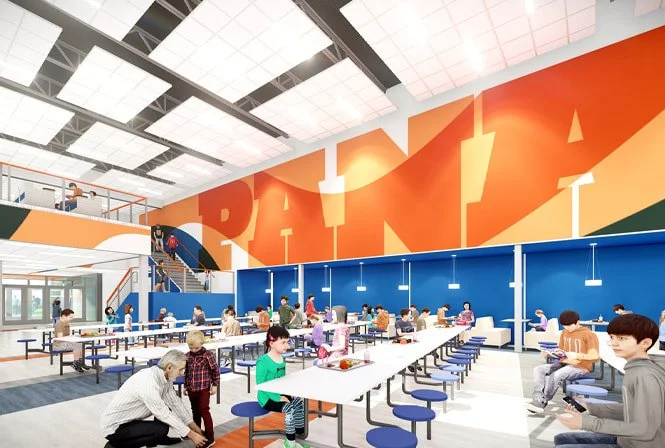
The first floor welcomes students and families with vibrant shared spaces: library, commons, food service, and a central gym full of energy and movement. Above, the second floor focuses on creativity and curiosity, with music, STEM, and art spaces nestled near the 3rd–5th grade classrooms.
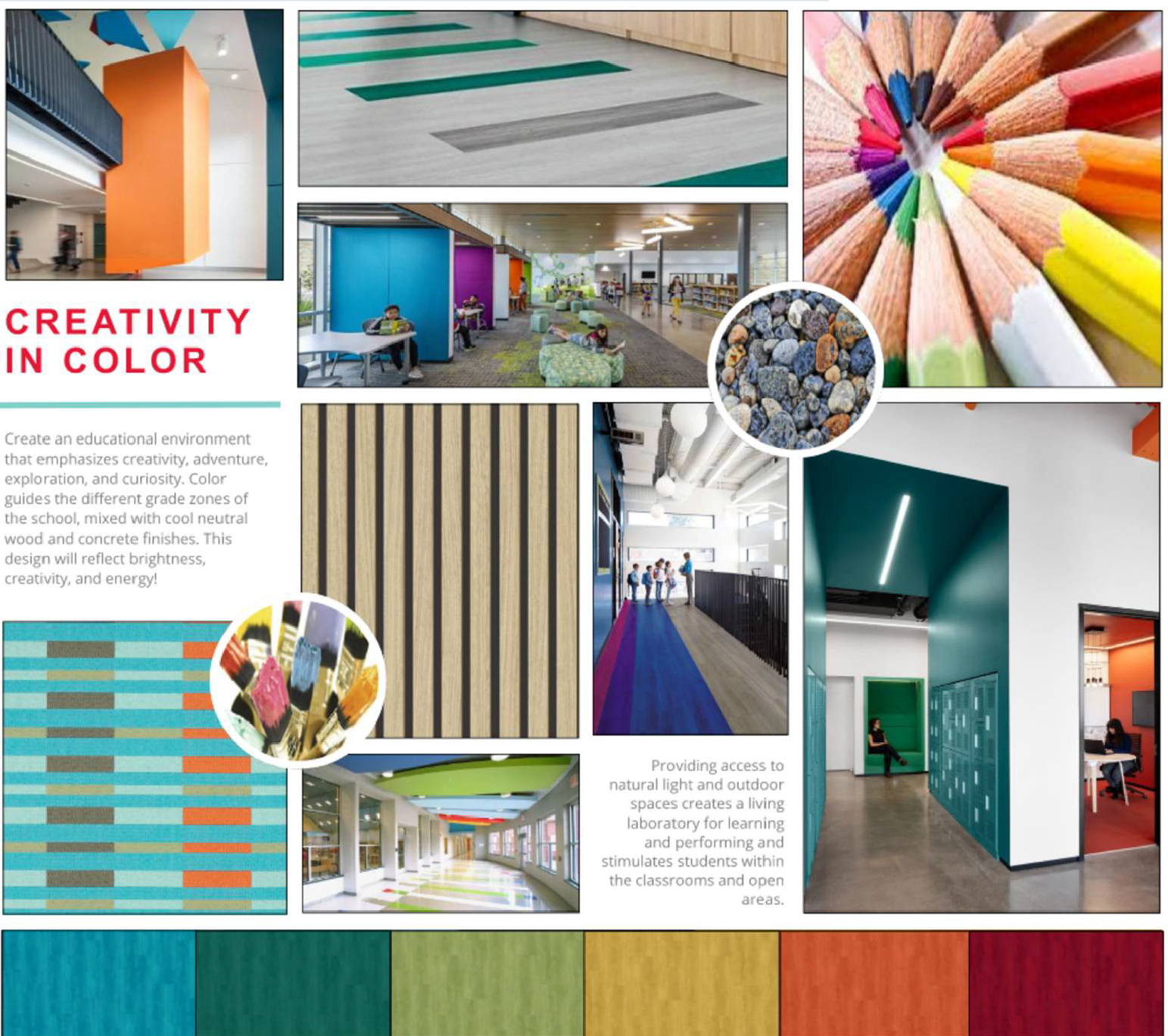
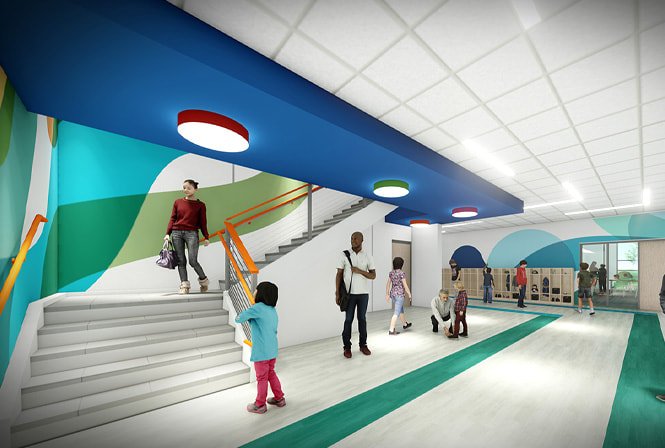
Classrooms are tiered by age—PK–2 on the first floor, 3–5 above—all arranged around the heart of the school. A thoughtful use of color helps define each grade level, subtly guiding students through their learning journey and giving each grade level its own sense of place.
Every hallway, corner, and classroom is designed to inspire wonder, foster independence, and invite students to explore the world around them.
Mood Board &
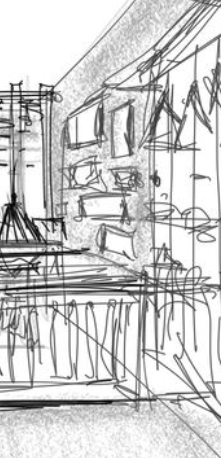
Concept Sketches
Finish Selections
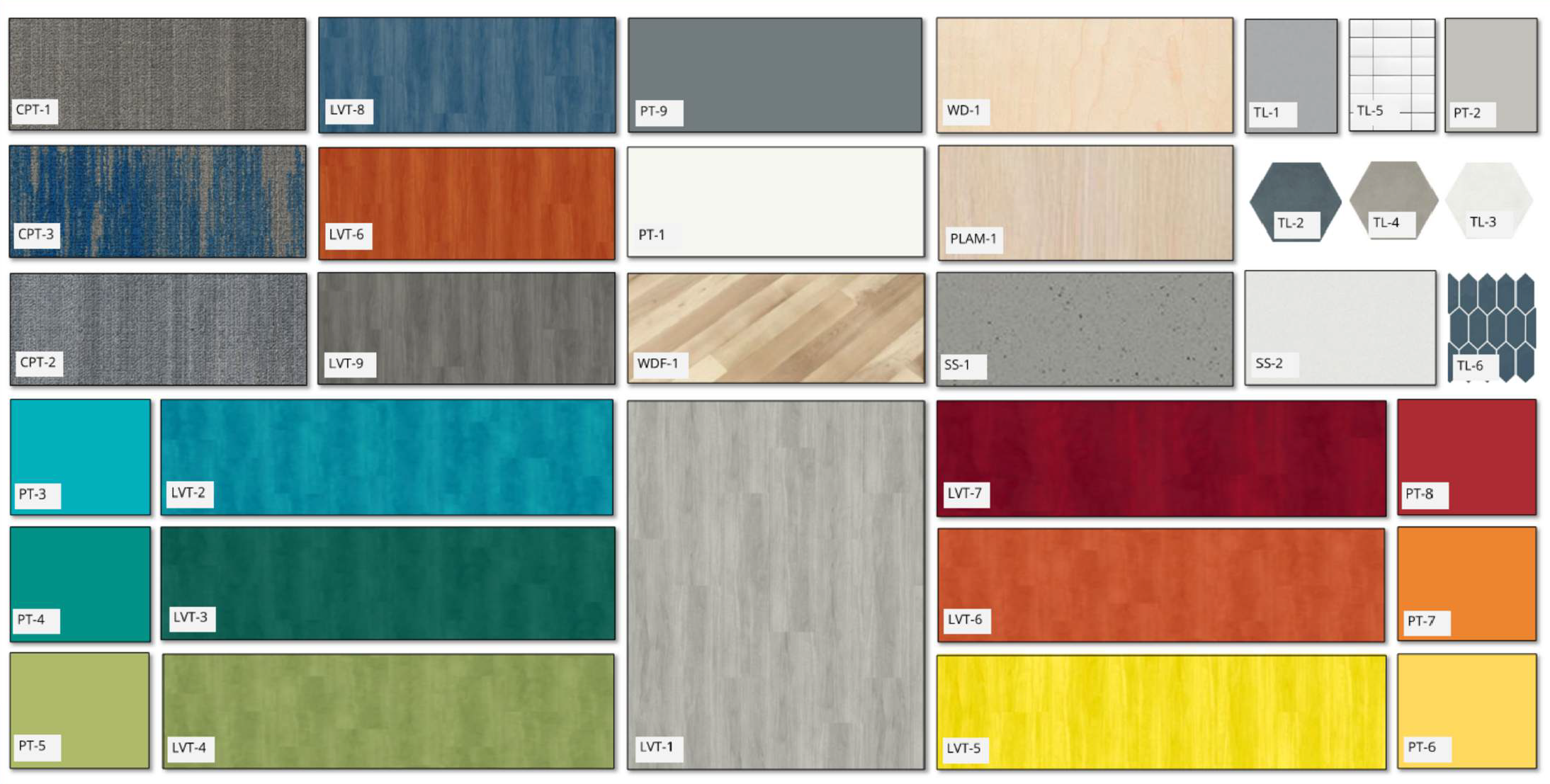
Materials were chosen with purpose—balancing long-term durability and cost efficiency with a focus on creating calm, engaging spaces. Acoustic performance played a key role, helping to soften sound and support focused learning throughout the building. In learning zones, bright and cool-toned colors pop against a neutral backdrop, bringing energy without overwhelming the senses. In shared spaces, school spirit colors were introduced to celebrate identity and community, reinforcing pride of place from the moment students walk through the door.
Renderings
-
![]()
Main Entry
-
![]()
Exterior
-
![]()
Corridor
-
![]()
Cafeteria
Lessons Learned
One of the key challenges—and successes—of this project was finding the balance between modern aesthetics and real-world constraints. Designing for a school meant every choice had to withstand time, use, and budget. The process taught me how to elevate standard materials through thoughtful detailing, and how custom design elements can remain impactful without compromising durability or cost-efficiency. It was a lesson in creativity with purpose—where design ambition met practical responsibility.